

Confusion around THC and CBD is more common than anyone likes to admit. People walk into dispensaries with questions and leave with even more. This guide clears the haze. Whether looking for relaxation, relief, or just a better understanding of the plant, knowing how THC and CBD work is the first real step.
What is THC?
THC, or tetrahydrocannabinol, is the psychoactive cannabinoid most associated with cannabis. In simple terms, it’s what causes the “high.” According to NIH research, THC binds with CB1 receptors in the brain, influencing mood, memory, motor control, and pain perception.
It’s not just for recreation. THC has been used to manage chronic pain, nausea from chemotherapy, and muscle spasticity in conditions like multiple sclerosis. Its effects are well documented in both medical and adult-use contexts.
What is CBD?
CBD, short for cannabidiol, offers a distinctly different experience. It’s non-intoxicating but potentially therapeutic. The World Health Organization considers CBD safe, well-tolerated, and non-addictive, with possible applications for anxiety, inflammation, and seizure disorders.
Unlike THC, CBD doesn’t bind directly to CB1 receptors. Instead, it modulates them and interacts with other systems, which is why it often feels more “body” than “mind.” It’s used by those who want the potential benefits of cannabis without feeling mentally altered.
CBD vs THC: Key Differences
| Feature | THC | CBD |
| Intoxicating? | Yes | No |
| Interacts with ECS | CB1 and CB2 | Mostly CB2 and modulatory |
| Medical Applications | Pain, nausea, appetite | Anxiety, inflammation, seizures |
| Legal Status | Federally restricted | Federally legal (if hemp-derived) |
| Common Effects | Euphoria, altered perception | Calm, relaxation, balance |
Where THC sharpens or blurs experience, CBD balances and grounds. Some consumers prefer one over the other, while others find that a combination offers the most nuanced effect.
THC and CBD Sources
Both cannabinoids come from the cannabis plant, but the proportions differ depending on the plant’s classification.
- Marijuana plants are bred for higher THC content
- Hemp contains high CBD with less than 0.3% THC, making it legal at the federal level
Processing and strain genetics both influence cannabinoid profiles. Products on the shelf, whether oils, flowers, or gummies, derive from these cultivated variations. The FDA oversees hemp-derived CBD but does not yet regulate THC products on a national level.
Chemical Structures and the Endocannabinoid System
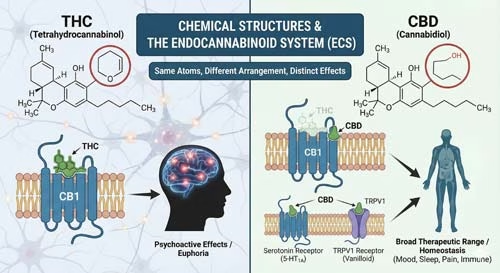 Though CBD and THC have identical molecular formulas, 21 carbon atoms, 30 hydrogen, and 2 oxygen, the arrangement sets them apart. That slight structural difference changes how they interact with the endocannabinoid system (ECS).
The ECS is the body’s regulatory network for mood, appetite, sleep, and immune response. According to the Cleveland Clinic, this system is essential for maintaining homeostasis.
THC binds to CB1 receptors, mainly in the brain, triggering psychoactive effects. CBD has a low affinity for these receptors but influences other receptors like serotonin and vanilloid, giving it a broad therapeutic range.
Legality
In the United States:
- CBD is federally legal when derived from hemp
- THC remains a Schedule I substance under federal law but is legalized in many states, including New York
Those in New York have legal access to both. At a licensed Bronx dispensary, consumers can browse lab-tested, compliant THC and CBD products with guidance from trained budtenders. Legal status can vary from block to block depending on jurisdiction, so it’s important to purchase from verified, state-licensed dispensaries.
CBD vs THC: Benefits and Side Effects
Each cannabinoid offers unique effects and potential drawbacks. Understanding both can help tailor the experience.
THC Benefits
- Pain management
- Appetite stimulation
- Nausea relief
- Sleep aid
A Harvard Medical School study outlines THC’s medical applications across a range of conditions, particularly in oncology and palliative care, where it has been used to reduce chemotherapy-induced nausea, stimulate appetite in patients experiencing wasting syndrome, and alleviate chronic cancer-related pain. The same overview highlights its role in improving quality of life for patients in later stages of illness, where standard treatments may no longer be effective or well-tolerated.
Common THC Side Effects
- Anxiety or paranoia (in high doses)
- Drowsiness
- Dry mouth
- Impaired memory
CBD Benefits
- Anxiety reduction
- Anti-inflammatory properties
- Neuroprotection
- Seizure control
Common CBD Side Effects
- Fatigue
- Changes in appetite
- Possible interaction with prescription medications
How to Take THC and CBD
Vapes
Inhaled cannabinoids reach the bloodstream fast, effects can be felt within 5 to 10 minutes. This method is popular for real-time symptom relief. Johns Hopkins Medicine confirms vaping as a fast-acting method but stresses caution around unregulated products.
Edibles
Edibles take longer, 30 to 90 minutes, to take effect but tend to last much longer (4 to 8 hours). Dosing requires care. The CDC advises new users to start low and wait before consuming more.
Tinctures
Tinctures are taken sublingually (under the tongue) and kick in faster than edibles, often within 15 to 30 minutes. They’re easy to dose and come in full-spectrum, broad-spectrum, and isolate formulas. Mount Sinai lists tinctures as a preferred option for those seeking steady, manageable effects.
Topicals
Used externally, topicals do not produce any intoxicating effects. They are ideal for localized pain or skin irritation. The American Academy of Dermatology suggests that CBD topicals may support relief for chronic skin conditions like eczema and psoriasis.
FAQ
What is the entourage effect?
The “entourage effect” refers to how cannabinoids, terpenes, and other compounds work synergistically to amplify each other’s effects. A landmark paper from the British Journal of Pharmacology supports this concept, especially in full-spectrum products.
Is CBD more effective than THC?
Effectiveness depends on the condition. THC is often preferred for pain and appetite stimulation, while CBD is chosen for anxiety and inflammation. Many find that balanced formulations deliver the most reliable results.
Will CBD make me fail a drug test?
CBD itself does not cause a positive result. However, full-spectrum products may contain trace THC that could appear on sensitive tests. Mayo Clinic advises caution for those who are subject to workplace screenings.
How long do the effects last?
| Method | Onset | Duration |
| Inhalation | 5–10 minutes | 1–3 hours |
| Edibles | 30–90 minutes | 4–8 hours |
| Tinctures | 15–30 minutes | 2–6 hours |
| Topicals | Varies | Several hours |
Duration depends on dosage, method, metabolism, and cannabinoid profile.
Enjoy the Best of Both Worlds
There’s no need to choose sides. THC and CBD can complement one another beautifully, offering therapeutic and recreational possibilities that adjust to each person’s needs. The key lies in the ratio, the method, and understanding the goal.
At Sesh NYC, consumers can explore balanced blends, full-spectrum options, and THC-dominant or CBD-focused products, all backed by transparency, lab testing, and a welcoming atmosphere. Education is part of the experience. The cannabis plant offers variety, not confusion, when guided properly. Let the plant meet you where you are.